
Stop the Damage While You Sleep
Bruxism (Teeth Grinding) Treatment
SMILE BRILLIANTLY, Live Beautifully.
The Damage You Don't Know You're Doing
Most patients who grind their teeth at night have no idea they're doing it. The signs show up at the dentist. Flattened edges, cracked enamel, the small chips that shouldn't be there. By then the damage is already underway.
Bruxism is the medical term for teeth grinding and jaw clenching, often unconscious and often at night. Left alone, it wears teeth down, causes chips and cracks, strains the jaw joint (often causing TMJ disorders), and triggers chronic headaches. The damage is cumulative.
The standard treatment is a custom-fit night guard worn while you sleep. It absorbs the grinding force, prevents the tooth wear and cracking, and gives the jaw a more protected place to rest. With consistent use, many patients notice less morning soreness and fewer symptoms over time.



Why Choose Dentistry at East Piedmont for Your Bruxism Treatment

Dr. Ashish Patel
Bruxism is often the underlying cause of TMJ disorders, chronic headaches, and accelerated tooth wear. Identifying it early and treating it conservatively can prevent far more involved dentistry later.
FOUNDED 2001 · 3 DOCTORS · REAL PATIENT SMILES ONLY
Most patients first hear about their bruxism from a dentist who notices the wear pattern on their teeth. Dr. Ashish Patel and our team identify bruxism early and walk you through what's actually happening. What the wear means, what the long-term consequences are, and what the treatment options look like.
We design custom night guards rather than handing out off-the-shelf ones. The fit matters. A poorly-fitting night guard is uncomfortable, gets worn inconsistently, and doesn't protect your teeth properly. A custom appliance designed to your bite fits well enough to become part of your routine.
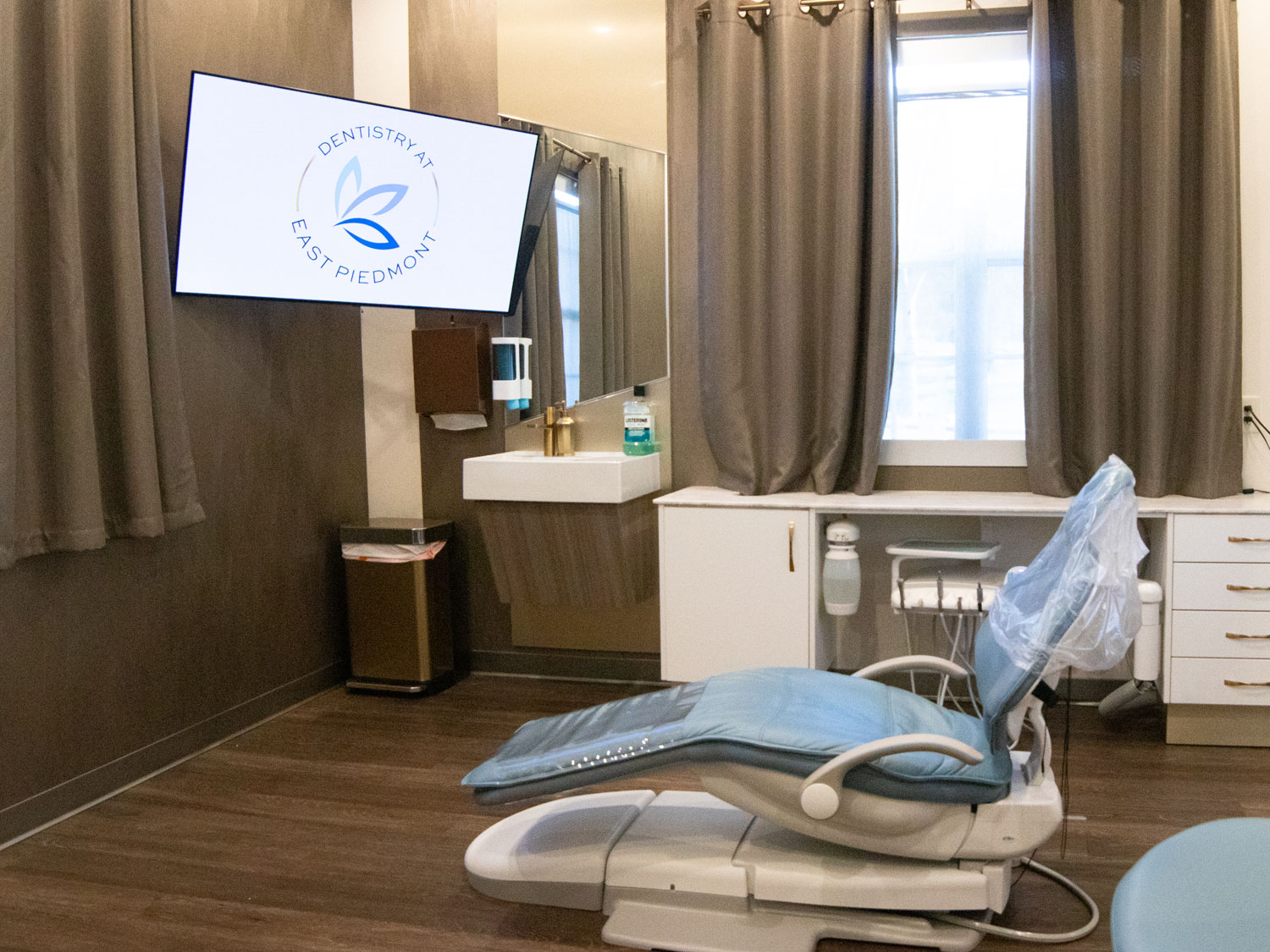
Your appointment happens in our private treatment rooms with the comforts that have made Dentistry at East Piedmont known as Marietta's upscale dental spa.
The Experience Around Bruxism Treatment
Tooth Wear Diagnosis
We look for flattened edges, enamel cracks, chipped restorations, recession, and muscle tenderness that point to grinding.

Bite and Jaw Evaluation
Bruxism often overlaps with TMJ symptoms, headaches, and jaw tension, so we evaluate the whole pattern before recommending treatment.

Custom Night Guard
A digital scan guides an appliance designed for your bite, grinding force, and comfort needs.

Follow-Up Adjustments
We check fit, bite, symptoms, and wear after delivery so the appliance is protecting you the way it should.
Why Patients Choose Bruxism Treatment
Protects Your Teeth
A custom night guard absorbs grinding force that would otherwise wear, chip, or crack your teeth. The protection is meaningful because significant grinding can turn into complex restorative work over time.

Relaxes Your Jaw
Wearing a night guard gives the jaw a protected place to rest and helps reduce the muscle tension that contributes to morning soreness, headaches, and TMJ symptoms.
Custom-Fit Comfort
We make night guards molded to your specific bite. A better fit makes the appliance more comfortable, which makes consistent wear much more likely.

Long-Term Investment
A custom night guard is a practical investment in protecting enamel, crowns, fillings, and your bite before grinding causes larger problems.
What to Expect, Step by Step
Diagnosis and Evaluation
We confirm bruxism by examining your teeth for characteristic wear patterns and discussing your symptoms. Bite analysis and jaw imaging help us understand the severity and the right kind of appliance for your case.
Digital Impression
A digital scan captures the precise shape of your bite. No goopy impressions, and the scan takes about five minutes.
Custom Appliance Fabrication
Your night guard is fabricated to your specifications. Material, thickness, and coverage are calibrated to your case. Most are ready in 1 to 2 weeks.
Fitting and Adjustment
We fit the appliance, check the bite, and make any adjustments. You wear it nightly. We see you for a follow-up in a few weeks to verify it's working as expected.
Are You Grinding Without Knowing It?
Most people who grind their teeth don't realize it. Here are the signs you are.
- You wake up with sore jaw muscles or tense facial muscles
- You have unexplained headaches, especially in the morning
- Your teeth show wear, chips, or flat-tipped points where they shouldn't
- Your partner has mentioned hearing grinding sounds while you sleep
If your symptoms point to something other than bruxism (for example, jaw clicking and popping suggest TMJ, snoring and daytime fatigue suggest sleep apnea), we evaluate the full picture and treat accordingly. Bruxism rarely exists in isolation, so the treatment plan often touches related issues.
Investment in Protecting Your Teeth
A custom-fit night guard is one of the smaller preventive investments in dentistry, and one with real long-term value. Years of unprotected grinding wear down enamel, crack crowns, fracture fillings, and lead to jaw pain and headaches that compound into more involved restorative work. Treating bruxism early helps protect the teeth and bite before the damage becomes harder to unwind.
Some dental insurance plans contribute to custom night guards as a preventive or medical appliance. Coverage varies. We file as a courtesy when your plan has out-of-network benefits and make every effort to estimate your portion, but estimates are not a guarantee.
If your specific case calls for a treatment plan that goes beyond what insurance covers, financing options are available so the investment fits into manageable monthly payments.
The most reliable way to know what's causing your symptoms and whether a night guard would help is the consultation. We'll evaluate the wear patterns on your teeth and walk you through the treatment plan.
Frequently Asked Questions
What causes bruxism?
Bruxism is usually a combination of factors rather than a single cause: stress and anxiety, sleep disturbances, abnormal bite alignment, certain medications (some antidepressants), and genetics can all contribute. Treating bruxism usually means protecting the teeth with a night guard while you address the root drivers if possible. We coordinate with your medical providers if stress or sleep issues are part of the picture.
How do I know if I'm grinding my teeth at night?
Most people don't realize they grind until a dentist points out the wear pattern on their teeth. Other signs: sore jaw muscles in the morning, unexplained headaches, sensitive teeth, ridges or flat tips on your teeth where they shouldn't be, and a partner who mentions hearing grinding sounds while you sleep. If two or more of those apply, it's worth getting evaluated.
Will a drugstore night guard work?
Usually not well. Drugstore "boil-and-bite" night guards don't fit the precise shape of your teeth or bite, so they're often uncomfortable enough that patients stop wearing them. They also wear out faster and provide less protection than a custom-fit appliance. A custom night guard fits well enough that you forget you're wearing it, which means it actually gets worn consistently, which is what makes it work.